Dr. Tara, cold but happy in January!

Beating the Winter Blues

Unless you are one of those “love to ski” types, winter can be a long, cold, boring, cold, dark, cold season. For many of us it’s hard to be happy. For others, the winter season is more then just a little difficult–they suffer from seasonal affective disorder or become clinically depressed.

There are many symptoms associated with depression other then sadness. Sleep troubles, change in appetite, slow thinking, fatigue, irritability, restlessness, and difficultly making decisions are all possible signs of depression. Even physical symptoms like back pain and headaches can be signs that your mood is out of balance.

Conventional medicine relies on the use of anti-depressants to treat the problem, and when the depression is severe, these tools can be literally life saving. However, there are some downsides associated with the use of antidepressants that have many patients looking for alternatives.

How Naturopathic Doctors See Your Depression

Because the body generally does an excellent job of healing itself, naturopaths see depression, like most symptoms, as a sign of an imbalance in your body that could be creating your current symptoms. Here are a few:

  • A hormone imbalance – low estrogen and/or high progesterone can be a culprit here. Also, thyroid and adrenal imbalances can lead to very low moods.
  • A nutrient deficiency might be in play – low levels of omega-3 fats, iron, B vitamins or vitamin D can be the cause of imbalanced mood.
  • Too much inflammation as is often caused by the standard North American diet and/or food intolerances, resolution of that inflammation with a diet change can greatly affect mood.
  • Mental-emotional imbalances. Unresolved grief, post traumatic stress – these are all real causes of sadness and depression. Also, a feeling of hopelessness, depression or overwhelm are all signals that it is time to sit down and re-evaluate what is most important in your world. Put those things that are front and center and act to change them.

What to Do?

The first rule of depression is to not go it alone. Serious depression requires serious help. Don’t be afraid to ask for it.

If you’re trying to beat the “winter blues,” though, there’s a growing body of research that says that exercise works as well or better than anti-depressants, and with none of the side effects.

The trick, of course, is that if there’s ever a time when you feel less like exercising, it’s when you’re depressed. With that in mind, here are a few suggestions:

  • Start small. Don’t make a big deal out of this. You’re better off getting a few minutes of exercise outside than nothing at all. Really–take a two-minute walk. Everyone has two minutes. It’s getting started that matters.
  • Walking counts. You don’t need to throw weights around, get sweaty, or go to Pilates. A simple walk will help.
  • Get outside. There are numerous benefits to being outdoors, particularly in winter. You’ll get more bang for your buck by getting out of the house.
  • Rely on friends and family. Getting out in winter is hard enough on your own. Find someone to join you, and hold you accountable.

Wondering if your hormones or nutrient status are affecting your mood? Just contact the clinic at 705-444-5331 to learn how you can find out.
Just Keep Swimming

I remember reading a study many years ago that I thought was absolutely ridiculous.

The authors of the research wanted to answer the question, “What makes the people who quit smoking, successful at quitting smoking?”

Their answer? The more times a person quit, the more likely they were to be successful at quitting.

I remember laughing out loud at the time, thinking, “What a complete waste of money to uncover this obvious, common sense conclusion.”

Now, after years of being in the business of helping people change their habits, I realize what an important message that piece of research really contained.

Change is hard. And breaking habits? That’s even harder. Even with the strongest resolve to stop eating sugar, for example, life happens. A special birthday party where someone brings your favorite cake, and all your great effort and resolve go out the door.

After these things happen, patients often return to clinic and say, “I just can’t do it. I can’t give it up. Life always happens and I fall off the wagon.”

The answer, according to the evidence? Just try again and keep trying and trying and trying because eventually…it will stick.

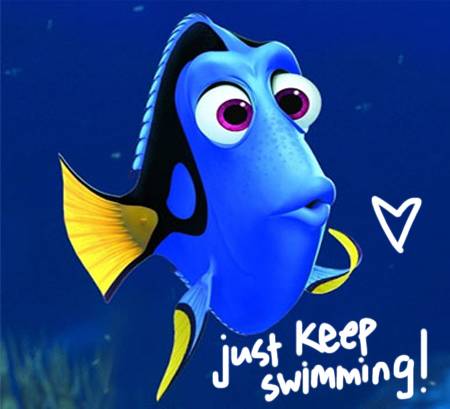
As Dory, from Finding Nemo says, “Just keep swimming.”

Less but Better

I love “falling back”. It’s my favorite day of the year. My husband teases me mercilessly, but I can’t help it—that extra hour just feels like I’ve hit the jackpot. One more hour to sleep. One more hour to get more done. One more hour to tackle the never ending to-do list.

But while it’s great to enjoy a free hour, it’s also a sorry statement about our culture. Are we so over-extended and under-slept that one extra hour in a whole year feels like we’ve won the lottery?

Sadly, I think the answer is yes. So, as the euphoria of that extra hour wears off, I pass on to you a reading recommendation. The book Essentialism by Greg McKeown is a fantastic read about getting you off the rat wheel and into a more rested, productive and centered life.

Stress is such a huge contributor to unwellness and disease, and much of the stress in Western culture is self-induced. We feel we need to be more, do more have more. We say yes to every request and opportunity, and say no to sleep and time to rejuvenate. And the result? We become less healthy with each passing year.

As Greg McKeown says, over and over again, if we focus on “doing less, but better” we stop spinning our wheels, we focus on the most important things, and start to build lives of meaning and contribution, without mortgaging our health and relationships.

Miracle Health Treatment

Like most health care professionals, Naturopathic Doctors aren’t allowed to make health claims. We’re not supposed to tell you we can help with your digestion, your immune system, your energy levels, your hormones, or anything else.

Some rules are just begging to be broken, though.

What if I told you about a treatment tool that could:

  • Reduce depression, stress and anxiety
  • Help improve job performance and sexual function
  • Help prevent cancer, heart disease, dementia
  • Decrease bone fractures, arthritis
  • Reduce youth smoking, pregnancy and drug use while improving test scores and the odds of going to college
  • Improve sleep, concentration and form new brain cells
  • Boost your mood, your self-esteem and your immune system

And, if that’s not enough for you, it’s also the number one treatment for fatigue, and reduces your risk of DEATH.

That is one heck of a health claim. And that’s just scratching the surface.

What is the miracle treatment that does all this?

Exercise. And not even hard exercise. You can get astonishing benefits from just walking around.

The truth is exercise makes everything better.When we exercise, our blood flows to all regions of our body. This blood brings oxygen, nutrients and then takes away the waste we make when we use them. It lubricates our joints, stimulates healing responses and release endorphins, our natural pain-killing and feel good chemicals.

We’re not allowed to make health care claims. But the challenge should no longer be to prove where exercise helps.

It should be to prove where it doesn’t.

At this point, it’s looking like a short list.

Need more convincing? Try this video:

Artificial Sweeteners and Obesity

This fall, a study published in the journal Nature suggests that the artificial sweeteners people use to prevent metabolic syndrome and diabetes are actually making things worse.

“Our findings suggest that non-caloric artificial sweeteners may have directly contributed to enhancing the exact epidemic that they themselves were intended to fight.” <1>

Researchers fed mice either water, water with sugar, or water with artificial sweetener. The mice with the artificial sweetener developed glucose intolerance (the step before diabetes) when the other two groups didn’t.

The really interesting part is that when the researchers eliminated the gut flora in our fury friends and then fed them the artificial sweeteners, the effect went away. The researchers suspect that artificial sweeteners alter our gut bacteria–for the worse.

What it Means for You

In light of this research, what should you do?

The solution is the same as it is for many things:. Eat foods that nature makes. Sucralose, aspartame, mannitol and the like were not made in nature. They were made in labs. Avoid them.

If you feel like something sweet, eat the real thing – organic raw cane sugar, honey, maple syrup, stevia, agave. Or better yet – eat fruit. It’s nature’s candy, no processing necessary.

Join the team from StoneTree Clinic at the Gayety Theatre on Wednesday, Oct 22nd at 7PM, where we are sponsoring the presentation of “Fed Up”. The film is a fantastic documentary about the damage the processed food and sugar industries are doing to our health and the health of our kids. Tickets at the doors $8, or seasons tickets available at the clinic. (Six GREAT documentaries for $40.)

The Difference Between Not Easy and Hard

It’s not easy to make lifestyle changes. Eating better and being active is challenging. Working less and sleeping more takes commitment. That’s not easy.

But not easy pales in comparison to hard. Getting divorced? Getting a serious illness? Losing touch with your most important relationships? That’s hard.

We all struggle to do the not-easy things. It’s normal. But the next time you think it’s just too hard to make time for relationships and your health, it might help to think about just how hard life can get if you don’t.

Why Fall Detoxification Matters

Spring and fall are nature’s time to cleanse and clean house.

In the winter we’re cooped up. We tend to be more sedentary, get less fresh air, and eat food that is both calorie-rich yet nutrition-poor. Spring cleansing is about moving the blood and lymph, and cleaning out the stored garbage in our livers from those months of staying inside and hibernating.

In the summer, we generally get more time outside, more fresh air and more fresh food. Our natural detoxification processes work better. So why, after a summer of better health, do we need to detox in the fall?

Fall cleansing is about strengthening your system to deal with the coming change in diet and lifestyle that winter brings. Pre-winter clean up helps to prevent the build up of toxins and promote a healthy gut and digestive tract. That in turn means a healthy immune system, making those colds and flus go away faster, or not come at all.

What is the best why to cleanse in the fall? You can start by eating some great fall food!

  • Cruciferious vegetables like brocolli, kale, brusselsprouts and cauliflower. Onions and garlic, and beets are all super foods that build the livers detoxification pathways. Spices like ginger, tumeric, cardamon, etc – all stimulate digestion and feed into the liver pathways, making these detox pathways efficient and effective.
  • Probitoics in the form of supplements or fermented foods – kefir, yogurt, kimchee, saurkraut, kombocha to name a few. Don’t like fermented food – probiotic supplements daily.

You can also engage in active detox treatments like colon hydrotherapy, which support the movement of bile, clean the liver, and promote healthy flora in the intestines.

Questions about fall detox? Wondering how to make yourself  stronger for the coming cold an flu season? Why not attend our free “Bulletproof” info night at the clinic on October 21? Just call the clinic at 705-444-5331, or [email protected].

No One Knows Anything

I came across this video on YouTube. The hero in this story was told for years that he would never walk unassisted again. Over 15 years he gained more and more weight, and become increasingly disabled and unhappy.

Then one day, everything changed. He decided to begin a journey of healing. Over ten months he lost 140 pounds and was not only able to the walk but run! His transformation is remarkable.

Beating the “odds” isn’t that uncommon in health care. A person given six months to live with cancer, is still alive six years later. Someone told by doctors that he has no hope of surviving an operation, walks out of the hospital and back to a normal life. A lung transplant patient completes an Ironman triathlon.

The truth is, no one knows anything. Not for sure. The human body is capable of unbelievable healing and the human mind is capable of believing and striving for untold victories.

Don’t like the prognosis you’ve been given? Ask someone else. Don’t like that answer? Keep talking to people till you get the answer you want. The only one who can really find out what you’re capable of is you.

Improve Your Health With Toothbrush Philosophy

Brushing your teeth is probably not something you give much thought to. For most of us, no day starts or finishes without it—it’s just something you do.

It wasn’t very long ago that this wasn’t the case. Regular teeth brushing only started in earnest after the Second World War. Years later, we now know that regular brushing can decrease heart disease, respiratory illnesses like COPD and pneumonia, help you lose weight, think more clearly and make you more fertile as well. That’s a lot of benefit for something we take for granted.

Bring Toothbrush Philosophy to Your Life

The magic of brushing your teeth is how habitual and necessary it’s become. Not only do we do it almost without thinking as part of our daily routine, but if we forget, we feel uncomfortable.

Imagine if you could bring that to the rest of your life?

Exercise, for example, is something that I used to have to think about. I’d have to plan it into my day, think about when it would happen. Then, one year I committed to doing at least 30 minutes per day of exercise for an entire year. After a year of doing it everyday for one year, the practice just became part of my routine. It’s not a challenge to fit it into my day, I just do. Just like brushing my teeth, it happens without fail or things just don’t feel right.

Four Ways to Improve Your Health Using Toothbrush Philosophy

  • Start Small. Part of the magic of brushing your teeth is that it only takes a minute or two. Why not just exercise for a minute or two? Really–a minute a day is better than none. Once you develop the habit, you can slowly increase it.
  • Tie it to Another Habit. You brush your teeth after meals. Or before you leave the house for work. Before bed. When you wake up. Brushing your teeth is always tied to another habit. Can you tie exercise to another habit? Like lunchtime at work, or sending the kids to school?
  • Get Uncomfortable About Missing. It’s easy to feel uneasy about not brushing your teeth. Can you bring that to healthy lifestyle habits? You can try the “Seinfeld method” of not breaking the chain and apply it to not missing a day of preparing your own lunch. Or you can read the ever-growing body of evidence that being sedentary is killing you.
  • Keep it cheap. Toothbrushes are cheap. It costs a few pennies to brush your teeth. You don’t need to spend a fortune to cook, or to exercise. You don’t need a new kitchen or an expensive gym membership.

If you can brush, you can take 30 seconds to choose a healthy food. If you can brush, you can walk for 5 minutes. And before you know it, it’ll be a habit you’re afraid to miss.

4 Facts about Cervical Cancer

Based on 2009 estimates, about 1 in 149 Canadian women is expected to develop cervical cancer during her lifetime. While not as prevalent as breast cancer, it’s not something you want to ignore. Here are a few stats about cervical cancer and prevention.

  • In 2011, 1300 new cases were diagnosed in Canada resulting in 350 deaths.
  • Incidence and mortality from cervical cancer has decreased dramatically over the last 50 years, due largely to regular screening with Pap tests.
  • You are most likely to be diagnosed with advanced cervical cancer in your 50’s.
  • Most women with advanced cervical cancer are those who have never had a pap or who have waited too long between tests.

It’s common for many people to view cervical cancer as a young woman’s concern, but that’s not the real story. Although you are more likely to have an abnormal pap when you are young, that abnormality is not often associated with advanced cancer. Abnormalities in your 40’s and 50’s are often more serious and life-threatening. Staying on top of a regular pap test makes sure you are getting to it as early as possible and avoiding more significant disease.

The new guidelines for screening of cervical cancer in women aged 30-69 is every 3 years if you have a normal Pap result and no symptoms.

If it’s been a while for you, don’t wait.

Our next Well Women Visit Day is: September 8, 2014