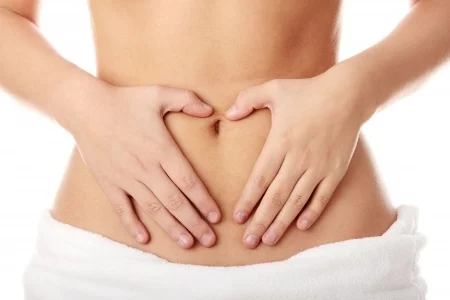
Spring Cleaning…On the Inside

6271684_sNaturopathic doctors have a reputation for being interested not in just what goes into your body, but in what comes out of it, too . We’re always asking questions about how much, how often, what does it look like, and more.

It may seem strange to you, but there’s good reason for our interest. Your gastrointestinal tract is a very important part of our health–more so than most of us realize. (Did you know that your gut has more neurotransmitters than your brain?)

As Mark Hyman, MD cites in this article, digestive problems are a primary culprit for illness:

More than 100 million Americans have digestive problems.

Two of the top five selling drugs in America are for digestive problems, and they cost us billions and billions of dollars.

There are more than 200 over-the-counter (OTC) remedies for digestive disorders, many of which can create additional digestive problems.

Visits for intestinal disorders are among the most common reasons for trips to primary care physicians.

And that’s not even the worst news.

Most of us (including most doctors) do not recognize or know that digestive problems wreak havoc in the entire body, leading to allergies, arthritis, autoimmune disease, rashes, acne, chronic fatigue, mood disorders, autism, dementia, cancer, and more.

So having a healthy gut means more than simply being free of annoyances like bloating or heartburn! It is absolutely central to your health. It is connected to EVERYTHING that happens in your body.

Your digestion is critical body infrastructure. It’s responsible not only for digesting our food and getting the nutrients out of it, but also for protecting us from invaders and helping us be tolerant to our environments and food. And it’s also responsible for taking out the garbage and for helping our hormones stay balanced.

In short, if you’re digestion doesn’t work right, neither will you.

Relieving A “Pain in the A**
It is pretty easy for this critically important pathway to be overwhelmed with “junk”.  With our continuous exposure to environmental toxins, poor food choices, alcohol, prescription drugs, stress and more, our normal healthy digestive flora gets out of balance.

When that happens, our intestine secretes mucous in an effort to protect itself, and that can cause a host of health problems. Giving your colon a good clean out, or “detox” can have huge benefits. We have seen chronic allergies, skin conditions, IBS, candida, chemical sensitivity and many other complaints much improved by colon detoxification.

Our resident nurse and colon hydrotherapist Lori will be giving a talk in Collingwood at the clinic on March 18th, at 7PM. Come out and learn more how colonics supports this critically important body system.  Call the clinic at 705-444-5331 to book your space.

Are You Taking New Patients?

9639288_sThis is a question we get asked often by our patients. It’s a common occurrence for the StoneTree waiting room to be full, and the clinic to be hustling and bustling with patient visits and treatments of all kinds.

When people see this, they often think that, like their family medical doctors, our practices are “closed”, with new patients being taken on very slowly and carefully. In fact, closed practices are very rare in naturopathic offices, for one simple reason: our patients get better!

Naturopathic medicine focuses on treating the individual and getting to the root of the problem, as opposed to only treating the symptoms. Chronic health issues are almost always about an imbalance in the body–getting to the root of the imbalance and helping the patient resolve it often helps fix the problem for good. Patients who get better don’t need to be seen as often so they make room for new ones to join the clinic.

Know someone with a chronic health complaint who might benefit?  Offer them a 15-minute complimentary meet the doctor visit. We love to help!

What’s Happening to My Skin?

9796653_sShort days. Low light. Dry air. Pale skin. Less time outside.

Welcome to the time of year when we start to lose our healthy summer glow, and our skin seems to lose some of its magic, too.

Winter is hard on the skin. But it’s not just the weather–as you age, circulation to your skin decreases, and the resulting reduction of oxygen and nutrients hampers your body’s ability to flush out toxins & excess fluid (puffiness). This is what drives premature aging and causes the skin to develop a dull, ashen appearance.

Dr. Kendra has added a new tool called mesotherapy to her anti-aging services. It’s an effective, non-invasive treatment for facial rejuvenation, that ‘wakes up’ the body’s own healing response and stimulates microcirculation. It consists of tiny injections of small doses of medicines or homeopathic remedies into the mesoderm layer of the skin to nourish, rejuvenate, and promote the production of collagen and elastin.

It’s very effective for dull, aging skin, sun damaged skin, fine lines & wrinkles, acne scars and even alopecia (hair loss). After treatment, patients commonly describe their skin as looking glowing, rested, and firmer.

Mesotherapy can be used in addition to, or as an alternative, to many anti-aging regimens, including conventional treatments like botox, laser resurfacing, peels, topical creams and facelifts.

To learn more about how to look and feel younger in a safe, effective way, call the clinic at 705-444-5331 to book your 15-min complimentary consult with Dr.Kendra. You can also email [email protected], or book online!

Conscious Eating for Thanksgiving

359273_sLast weekend I had to deliver an intense course to a large group of my peers. I had prepared for the event for several months, and I wanted it to be just right.

Part of that preparation was caring for myself properly during the week before. For those seven days I ate no sugar and drank no alcohol. I had regular, healthy meals, went to bed early, exercised every day and took my vitamins. As a result, when the day arrived I was full of energy, my brain worked great and I didn’t get the cold that every second patient was bringing into the office.

When the event was over, I drank a very delicious glass of pinot and ate a gorgeous dessert and, most important, I fully enjoyed every last bite. Did I get sick from it? No, I stayed well and have been all week.

Although many of us may disagree, food is not an enemy. Food can be a tool, a resource or a source of pleasure–all of which are valid. It’s being conscious of which choice you make, and how often, that matters.

In the week before my event, I used my diet as a tool to support optimum health and function of my body. Avoiding the sugar and booze allowed my immune system to function at its best, fighting off all of the bugs that came its way before my busy weekend.

In the day leading up to the event, I used food as a resource, fueling my brain and body for eight hours of speaking and being on my feet.

The night after my event, I used food as a pure, unadulterated source of pleasure and celebration. Experiencing food in this way resulted in a boost to my serotonin levels and a charge to my immune system.

As we head into a Thanksgiving weekend full of food, booze and fun, I encourage you to eat consciously and with intent.

My intent will be to ENJOY!

How to Think Like a Naturopath: Inflammation

12801212_sIf you’ve ever had a bee sting or a sprained ankle, you’ve experienced inflammation. Allergies? Another form of inflammation. Sunburn? Splinter? Frostbite? More inflammation. Arthritis? Appendicitis? Tonsillitis? Dermatitis? Colitis? All those “itis” words are also just a fancy way of saying “inflammation,” too.

Inflammation is your body’s reaction to an injury, infection or irritation, and despite how uncomfortable all the examples above sound, it’s a critically important process in the body.

Naturopathic doctors may see inflammation differently than what you’re used to. For a naturopath, inflammation isn’t bad, per se. It feels bad, and it can cause harm, but it’s also there for a reason.

Next time you find yourself facing an “itis” or some other inflammation, you might find it helpful to look at it as a naturopath might. Here are a few key principles to keep in mind.

  • It’s a normal response.  Acute inflammation is a normal, healthy response. It’s the body’s first response to harm, and acts as a marker to rally your immune troops to the scene of the crime and protect you from further injury. Without it, your body wouldn’t be able to fight infection and rebuild damaged tissues.
  • Not all inflammation is bad. Once inflammation starts, your body has a corresponding process to shut it down again. Sometimes, though, we get out of balance, and we end up with chronic inflammation. Conditions like colitis and asthma are the result of chronic inflammation. Inflammation is not the enemy until it gets out of balance.
  • Treating minor inflammation can have drawbacks. When you have a sore knee, for example, and you take Advil and go out for your run anyway, you may be removing the signal your body is sending you saying, “Hey. I need a break from running.” There’s nothing inherently wrong with treating inflammation, but just remember that you may be turning off the communication network that lets you know how you’re doing.
  • Root cause is important. While a naturopath may well treat your symptoms, we’re always concerned with why you have them in the first place. In the case of inflammation, naturopathic doctors ask, “Why is the inflammatory response out of balance?”  Chronic inflammation can be caused by many things, such as food intolerances, toxicity, an imbalance in your gut flora, or nutrient deficiencies. Looking at the whole person and understanding the root cause of the inflammation gives us the option of getting it back into balance.

Want to know how your naturopathic doctor sees another symptom or condition? Let us know in the comments!


2 Simple Rules for Healthy Eating

12908466_sOver the years I’ve had hundreds of people come to me completely confused about what to eat. Should I go low fat or low carb? How many calories should I eat? Should I be vegan or paleo? Is butter good for you, or is margarine better? Does organic matter? What is GMO?

It’s a scary world out there with respect to what you eat, and each week there is another study on how we are getting fatter or sicker or both. The stakes seem to be getting higher for getting it wrong, yet it seems almost impossible to get it right.

Truly, it is hard to get it right–changing your eating habits is incredibly difficult. But part of the challenge is that we get too caught up in complexity. We obsess over details that don’t matter to the average person.

In the interest of simplicity, here are two simple guidelines that, if you can get them right 80-90% of the time, will change your life. These rules will do wonders for the average person–unless you’re extremely sick, or a high performance athlete, you should take them seriously.

Note: I’m stealing liberally from Michael Pollan’s In Defense of Food. His “Eat food. Not too much. Mostly plants.” mantra is about as simple and effective as you can get.

Rule #1: Eat REAL Food
Your diet needs to be composed of food that is…food. Things that nature makes. Not things that science makes. Here are a few tips

  • Real food has few ingredients. The most real food has one ingredient. Like apples. Or cucumbers. If you can’t tell me what all the ingredients are without looking at the label, then you’ve moved further away from real.
  • Real food is identifiable. It’s “close to source” – it looks like where it came from. A blueberry looks like a blueberry. A Pop Tart looks like a roofing tile.
  • Real food tends to be stored in your fridge. Not your cupboard or freezer. That’s why you should shop more around the outside edges of the grocery store.
  • Real food is grown with fewer chemicals. The chemicals they spray on your industrial food don’t always make it to the ingredients list. If you can find and afford organic, it’s worth it.
  • Real food is difficult to find in restaurants. If you want real food, prepare it yourself at home. Learn to cook. It’s not hard. And no, the drive-thru is really not that much faster.

A tomato is more real than a steak. But a steak is more real than a loaf of Wonder bread. Try to focus your shopping and eating as high on the real scale as possible.

Rule #2: Focus More on Vegetables
Even when your food is “real”, you need to also make sure a good portion of it is also plants. I’m neither vegetarian nor vegan, but we eat a lot of meals that are. Almost every patient I have needs to eat more vegetables. They’re the “most real” food you can find.

“But I don’t like vegetables.”

Too bad. Grow up. You can eat crap or you can be healthy. Not both. There are thousands of ways to prepare vegetables, and you’ll like some of them.

In a nutshell, I’m basically suggesting you eat mostly produce, with some meat and dairy, nuts, and healthy oils. Very little bread, pasta, and crap in boxes and bags. That’s it. That’s all you have to remember.

The Benefits
The best part about these rules is that if follow them you don’t have to worry about all the other stuff. If you follow these rules you’ll:

  • Consume fewer chemicals
  • Eat fewer calories
  • Get more nutrients
  • Eat less gluten and processed wheat products
  • Be more hydrated
  • Improve a host of health markers
  • Reduce reactions from food intolerances and allergies
  • Improve your digestion
  • Increase your energy

And plenty more, all of which will happen by default. You won’t need to count calories or wonder about paleo versus low carb versus low fat. You’ll just be healthier.

Why Maintenance Matters

11163400_sWe occasionally hear of people who exercise every day, who have impeccable diets, who deal with stress well, and have lives they are happy with, who still end up suffering a stroke, or a heart-attack, or cancer.

These stories are difficult. Not only does it seem unfair, but the stories can make us think, “So what? Why exercise? Why try to eat well? It clearly didn’t work for that person.”

The argument is tempting, but it misses a bigger and much more important part of the story.

  • Lifestyle changes actually do help. There is a mountain of evidence to support that a healthy lifestyle can dramatically reduce your risk factors for countless conditions. The outliers–the stories of the avid health fan who drops dead–tend to get attention precisely because they’re unusual.
  • Lifestyle changes help with severity and recovery. These same people who have invested in their health? When they do have a problem it’s less severe. They die less often. They have less serious complications, and they heal faster then their less-healthy peers.   A 50-year old man who exercised, ate well, and didn’t smoke, may still have a heart attack. But his lifestyle has built a stronger heart with a network of extra vessels that can be used as a “backup plan” if a blockage occurs.

The body is a complicated machine. Like any machine, it can still break down even when it’s properly maintained. But that’s no reason to give up on taking care of it.

Being healthy is not just about “not getting sick”. It’s also about the ability to heal and adapt. Ask the 50-year old who survived the heart attack. He’ll tell you the maintenance is well worth it.

How To Recover Faster From Surgery

9293880_sSurgery is both amazing and traumatic. Surgeons can cut into us, take pieces out, put new pieces in, or repair something that is already there. And as long as there’s no infection, we actually heal, sometimes with only a tiny scar to show for it.

It’s remarkable, really, and a testament in part to the strength of your body’s healing systems. Your body really does have an incredible built-in healing mechanism.

There’s a catch, though.

The vast majority of people going into surgery are already in a state of reduced health. Even before the surgery begins, they’re sick,  injured, or somehow health-compromised. It’s why many are getting surgery to begin with.

What this means is that the way in which your body normally heals is also compromised. Healing is slower. Less effective. The surgery itself becomes a further setback that your body has to deal with on the road to health.

Beating the Surgery Setback
The body doesn’t heal without help. Healing requires certain nutrients – things like vitamin C, vitamin A, vitamin E and zinc to name just a few. All of these nutrients support the immune system and the connective tissue. If your body is even slightly deficient in these nutrients–from your condition, or from stress, fatigue, and poor diet–then healing takes longer.

There are two ways to tackle this, and both apply before and after surgery.

  • First, improve your lifestyle as much as possible. Giving your body the good food, rest, connection and movement it needs to thrive will make an enormous difference. Any doctor will tell you that healthy people do better during and after surgery.
  • Second, add a clinical boost to your efforts. Sick people have trouble accessing nutrients at the cellular level. That means even a great diet can still sometimes not deliver the things your body needs at the micro level where all the healing action is really happening.

Here at the clinic, we tackle the second approach using intravenous (IV) nutrients and professional supplementation to support your body’s amazing efforts. The goal? Faster recovery, less discomfort, better outcomes and fewer pain killers.

To learn more about how our pre/post surgery protocols work, you can book an appointment online, or call the clinic at 705-444-5331.

4 Hidden Causes of Headaches and Migraines

headacheHeadaches exist in a strange limbo in health care. Considering that they’re one of the most common health complaints in our culture, we’ve historically done a surprisingly poor job of fixing them. More often than not we suffer through them, or perhaps treat the symptoms, but we rarely address the causes.

Stress, fatigue and structural issues are an obvious and often visible source of headaches, but at the clinic we regularly tackle many other causes that tend to fly under the radar. Here are four you may not have considered.

1. Nutrient Deficiency
Deficiencies in many nutrients can cause headaches. With StoneTree patients, the biggest culprits are B12 and magnesium, but low levels of other nutrients can also cause problems.

We recently had a patient in the clinic who had a headache every day for 25 years. One Myers cocktail (IV treatment) to boost magnesium and the headaches vanished. Now, the patient can keep the headaches at bay with oral supplements, and an IV every six weeks.

2. Food Intolerance/Sensitivity
This is surprisingly common, and there’s much evidence to suggest that immune responses to the food you’re eating may be causing your pain.

We recently treated a mother and daughter who both had food intolerances, and both had chronic headaches. After four weeks of an elimination diet (removing the foods they were sensitive to), the mother’s headaches were 80% better and the daughter’s were gone completely.

3. Hormone Imbalance
Hormone imbalances are a frequent cause in women. Menstrual cycle fluctuations, menopause, and birth control pills can all affect estrogen and progesterone levels, which in turn can affect headache related chemicals in your brain.

Our clinical approach is generally to try to re-balance hormones using supplementation and herbs, and to assess for other underlying causes such as toxicity.

4. Toxicity
Toxicity can often cause or worse headaches. Your body has a remarkable ability to rid itself of toxins, but as toxins stack up – from our diet, our environment, or medications–the process of mobilizing those toxins and moving them out of the body can create headaches.

Ironically, many things that seem to help headaches in the short term, like caffeine or over the counter pain-killers, can actually make them worse in the long run by making you toxic.

If you’re struggling with unexplained headaches or migraines, you can book a complimentary meet-the-doctor visit here to find out if we can help.

“But My Doctor Says My Thyroid is Normal”

16171384_sEvery week people arrive at the clinic wondering if their thyroid is working properly.

Often, these patients have had a conventional thyroid test and have been told by their medical doctor that everything is fine. They arrive at our office unconvinced, however, because when they look up the list of symptoms of low thyroid function, they seem to have them all.

When we test further, we often find that the thyroid really isn’t working optimally. Why is that? Why does the story differ from your MD’s office to ours?

The discrepancy arises because of the difference in what is tested, and when.

  • Conventional medicine measures one thing: TSH (thyroid stimulating hormone). Your medical doctor uses that number as a way of assessing how well the thyroid is doing it’s job. If that test is normal, your MD won’t test any further. You’ll be told your thyroid is not the problem. End of story.
  • Naturopathic doctors measure more initially. Like your MD, we test TSH, but we also look at T4 (the inactive form of thyroid hormone), T3 (the active form) and TPO (a thyroid antibody).

Why? Because some people can have normal TSH levels, but still have thyroid issues which are only revealed by looking at the other numbers. Those people get the “all clear” on the first test, and their MD doesn’t look any further.

Why the difference in testing? It’s a difference in philosophy. Your MD is really trying to determine if your thyroid is diseased. As ND’s, we want to know if it’s working optimally, and those are not the same thing.

Curious about your thyroid? You can book an appointment online, or call the clinic at 705-444-5331.